Paint Touch-Up Problems That Make Walls Look Uneven
Common Reasons Interior Paint Starts Looking Patchy And Inconsistent
Paint touch-ups seem simple at first. A scuffed hallway, a dent near a light switch, or a small patch after drywall repair may look like a quick afternoon fix. The problem is that walls are broad surfaces, and broad surfaces reveal differences quickly. A small area of fresh coating can catch light in a different way, even when the color name on the can is technically correct.
A seamless finish depends on three things working together: color, sheen, and texture. When one of those changes, the eye notices. That’s why a tiny repaired spot can look like a square, streak, or cloudy patch instead of blending into the wall. In bright rooms, the contrast may be obvious during the day. Under lamps or overhead fixtures, it may show up only from certain angles.
That kind of consistency across a room matters because the resulting look affects the whole feel of a room. A living room with patchy surfaces can seem unfinished, even when the furniture and décor look great. In a business setting, uneven interior finishes can make offices, lobbies, and hallways feel less polished. Clean, uniform walls help spaces look cared for, well-maintained, and ready for guests, clients, tenants, or everyday use.
Why Spot Painting Creates Visible Patches
One common reason spot painting stands out is that existing coatings change as they age. Interior surfaces are exposed to sunlight, indoor lighting, dust, cleaning products, hand oils, cooking residue, and moisture. These conditions slowly shift the way a wall looks. The original color may fade, dull, or warm slightly. A fresh application from leftover material may still be the same product, yet it can look brighter or denser beside the older surrounding area.
Sunlight plays a major role. Walls near large windows, stair landings, glass doors, and open hallways often receive uneven exposure. One section may fade more than another, which means a newly coated repair can appear too strong next to the existing field. Even artificial lighting can influence perception. Warm bulbs, cool bulbs, recessed fixtures, and side lighting can each reveal a touch-up differently.
Fresh material also reflects light differently from older coverage. This is especially noticeable when the repair is isolated in the middle of a wall. Instead of blending into nearby surfaces, the touched-up area has clear boundaries. The eye reads those boundaries as patchwork, even when the color match seemed close while wet. Once dry, the repaired spot may look flatter, glossier, darker, lighter, or simply different enough to draw attention.
Sheen, Texture, And Application Issues
Sheen differences are one of the biggest reasons repairs become obvious. Flat finishes absorb more light and can hide minor imperfections better than glossier coatings. Eggshell and satin have more reflection, which means the color appears to change as someone moves through the room. When a touch-up has a slightly different sheen, it may disappear from one angle and then flash under light from another.
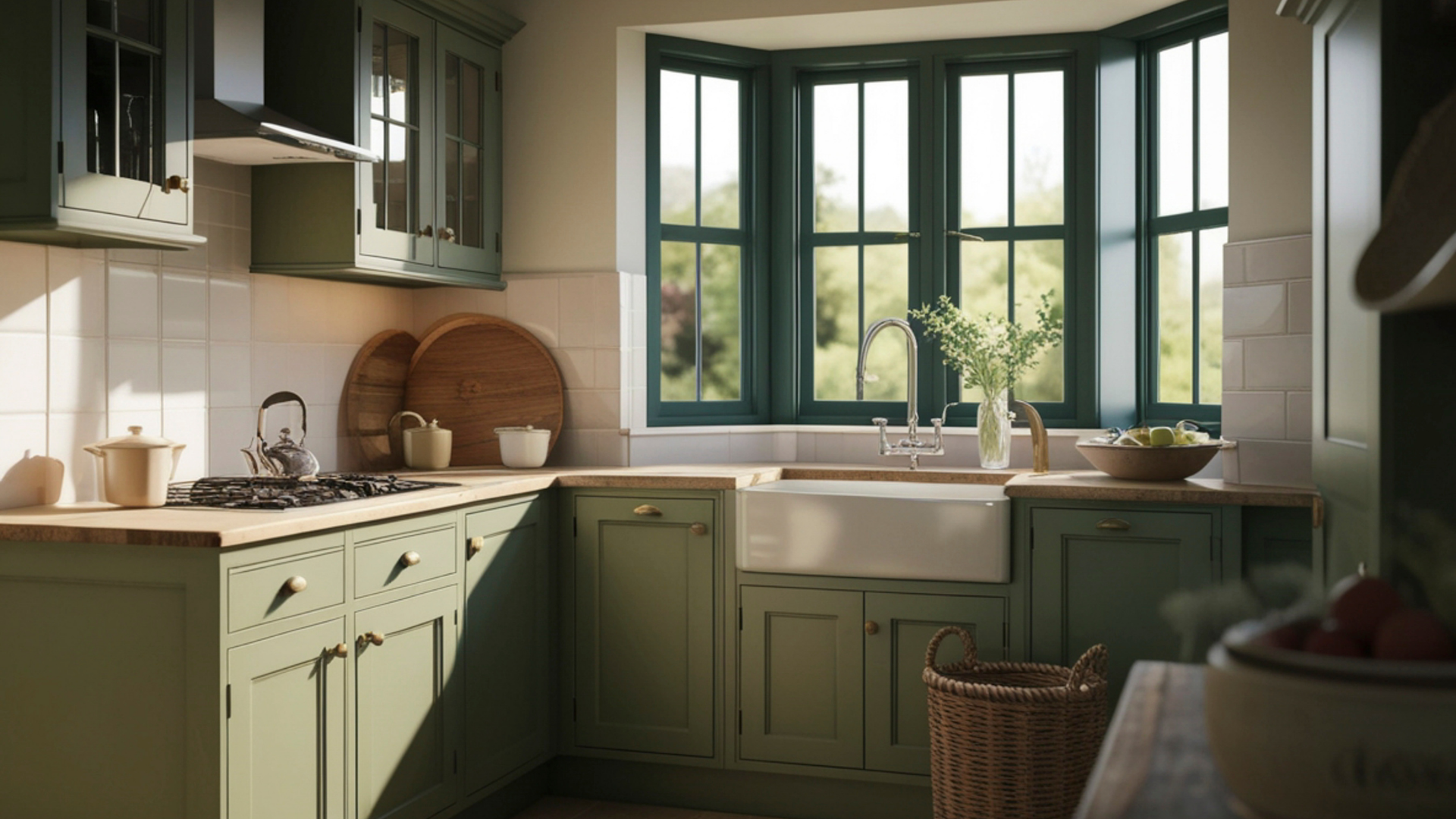
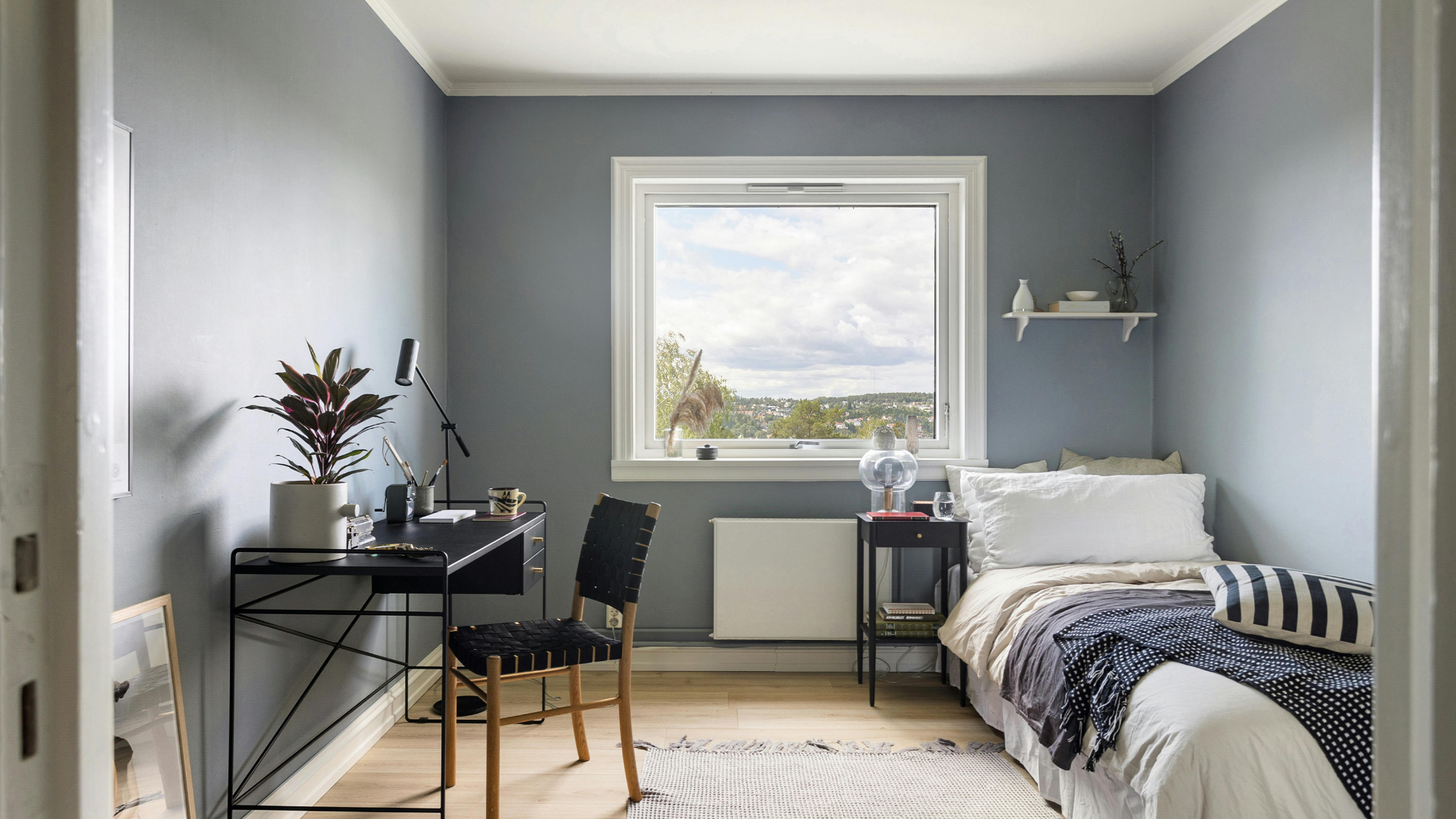
This is why kitchens, bathrooms, hallways, offices, entryways, and stairwells can be tricky. These spaces often have stronger lighting, narrow sightlines, and frequent wall contact. Gloss reflection under overhead fixtures can make a repaired spot look shiny, even if the color is close. Dark tones, deep blues, grays, greens, and bold accent shades may reveal patching faster because small differences in reflection become more visible on saturated colors.
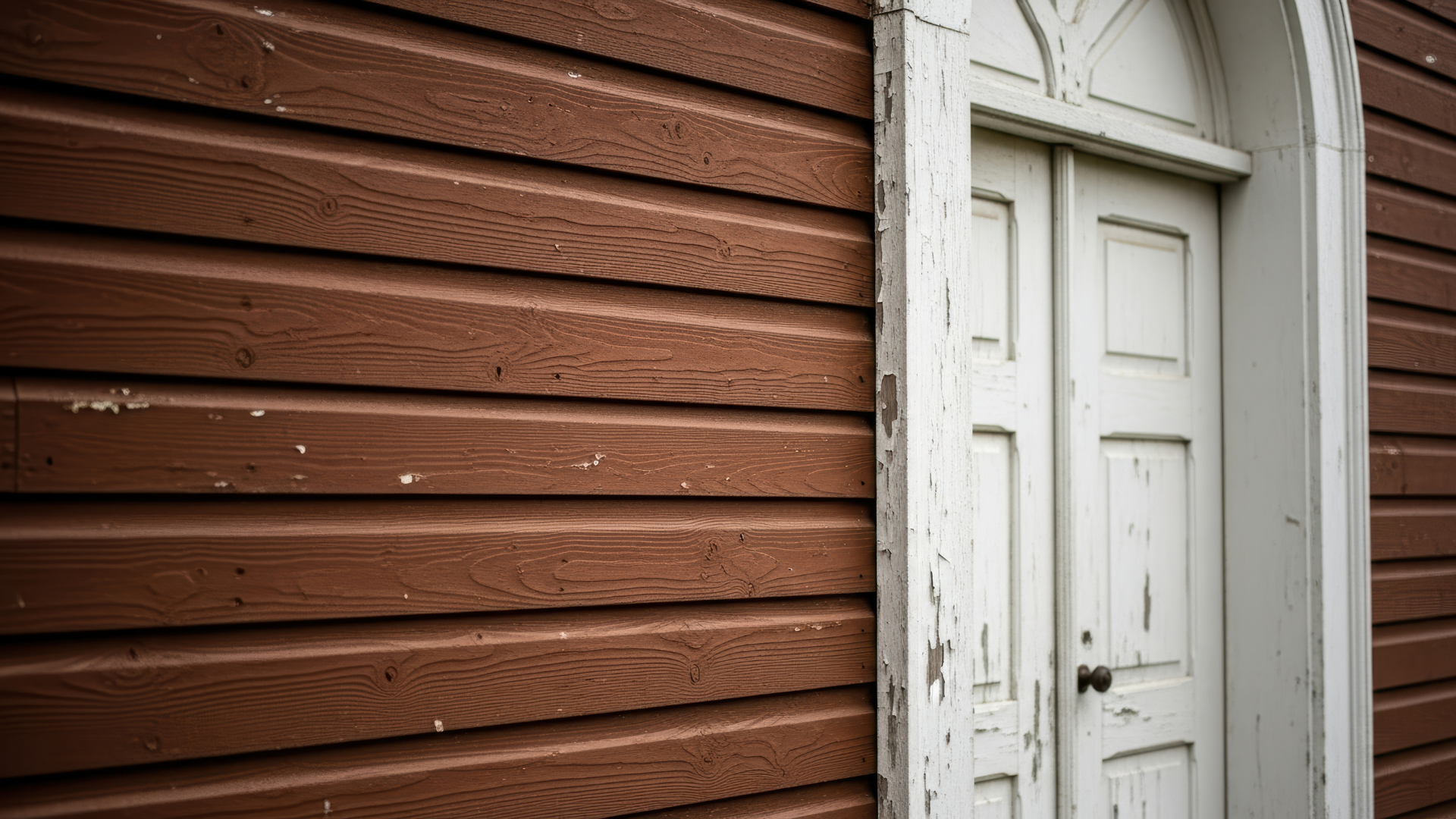
Texture creates another challenge. A brush leaves a different pattern than a roller. A thick roller nap creates more stipple than a short nap. If the original surface was rolled and the repair is brushed, the touched-up section can have a smoother or more ridged appearance. If too much material is applied to a small area, it can dry with a raised edge. If the edges are not blended outward, the repair can look like a framed patch.
Wall repairs beneath the coating can add to the problem. Spackle, joint compound, sanding marks, and primer variations can absorb finish differently than the surrounding surface. Even a well-chosen color can appear uneven when the layers below have a different porosity or texture. This is why preparation matters so much before repainting. Cleaning only one dirty section can also create contrast, because the repaired area may sit beside older buildup that changes the color's tone.
When A Repaint Is The Better Choice
There are many situations where repainting from corner to corner produces a cleaner result than repeated touch-ups. Large living rooms, long hallways with natural light, commercial office interiors, entryways, stairwells, and other high-traffic spaces tend to expose small inconsistencies. When the field of view is wide, or light runs across the surface, a small repair is more likely to be noticed.
Painting the full wall helps create uniform coverage. Corners, trim lines, ceilings, and architectural breaks give the eye a natural stopping point. Instead of trying to hide a small mark in the middle of a surface, the entire plane receives the same color, sheen, and application method. This approach can be especially helpful after multiple scuffs, nail holes, furniture rubs, or material repairs have collected in one room.
Cost is another factor worth thinking about, too. A single touch-up may feel less expensive, but repeated small fixes can become inefficient when each one leaves a slightly different mark. At a certain point, a full wall repaint provides better visual value because it refreshes the surface evenly and reduces the layered look that comes from several isolated repairs. For rental properties, offices, retail areas, and homes being prepared for sale, that cleaner presentation can make a noticeable difference.
Professional painters reduce uneven results by controlling the details. Surface preparation comes first, including cleaning, sanding, priming repaired areas, and checking for texture differences before finish coating begins. Blending techniques, sometimes called feathering, help soften transitions when a limited repair is appropriate. Matching roller nap, brush type, coating thickness, and application direction also helps keep the repaired area closer to the surrounding finish.
Lighting evaluation is another important step. A wall can look fine straight on, then show roller marks when viewed from the side. Natural sunlight, shadows, and overhead fixtures can exaggerate dents, lap marks, glossy spots, and texture changes. Looking at the surface under the conditions used in the room helps identify problems before the job is considered finished.
Patch-free walls create a cleaner, more professional appearance because the surface reads as one continuous finish instead of a collection of small repairs. Consistent color, sheen, texture, and application method each play a part in that final look. When touch-ups begin to stand out, professional repainting may produce better long-term results than chasing one patch after another. For interior painting that looks even, polished, and carefully finished,
contact us today at Gutierrez Painting to schedule a consultation and let us get your walls looking their best.